
Donor Recognition Displays: Thanking for the past…with an eye on the future.
Donor Recognition Displays encourage future donors to follow their lead; perhaps because future donors see that your cause is worthwhile in others’ eyes; perhaps because future donors want to be on the Recognition Wall with their peers; whatever the reason, Donor Recognition Displays inspire future donors to support your meaningful cause.
Leveled Recognition Displays typically increase each donor’s gift. Donors on the edge of recognition levels are much more likely to give more if it means their name will appear higher on the recognition list. Your Recognition Display will:
- Attract donors
- Encourage higher giving
- Acknowledge donors
- Serve your constituents
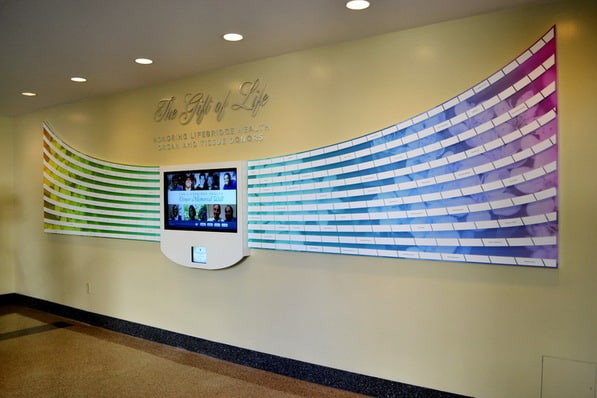
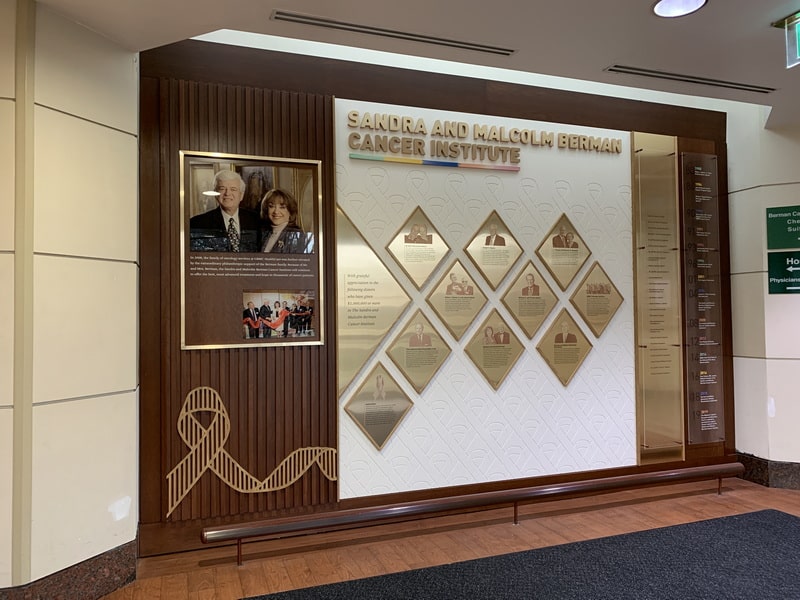

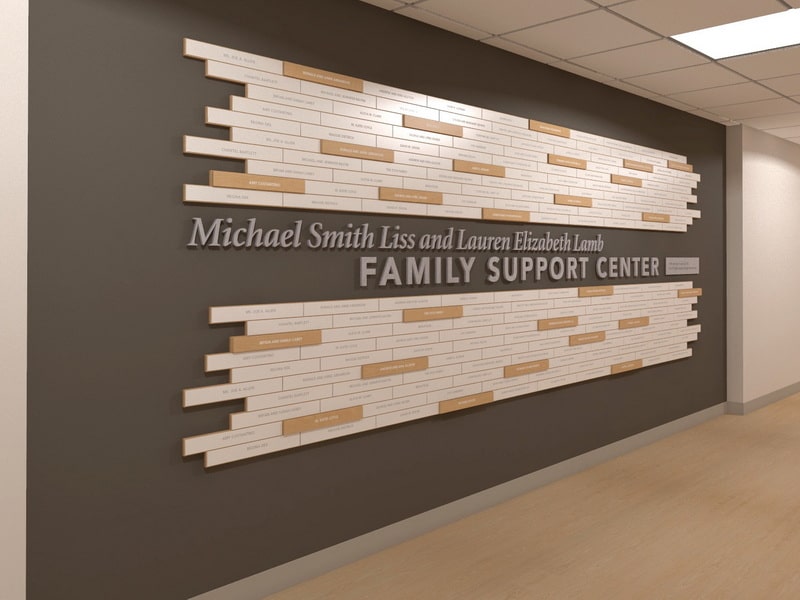
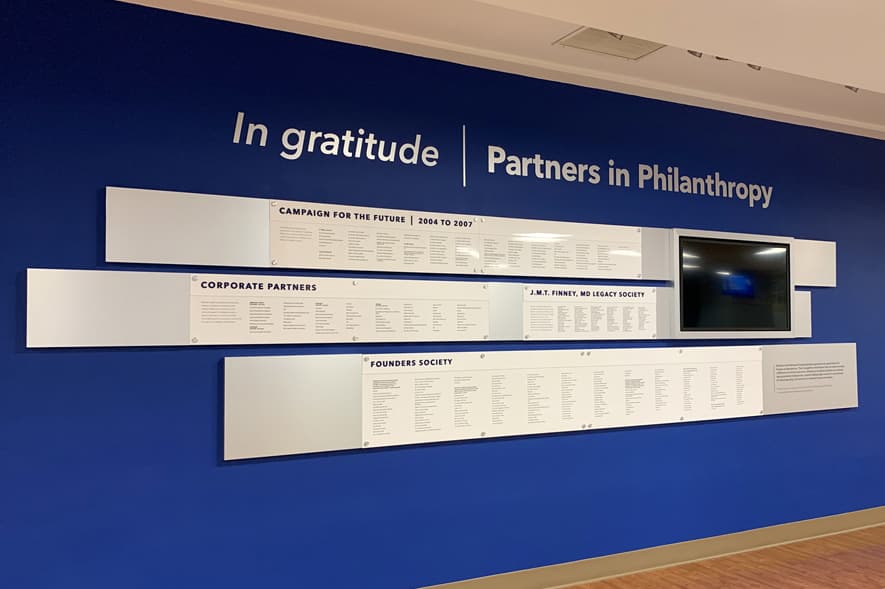
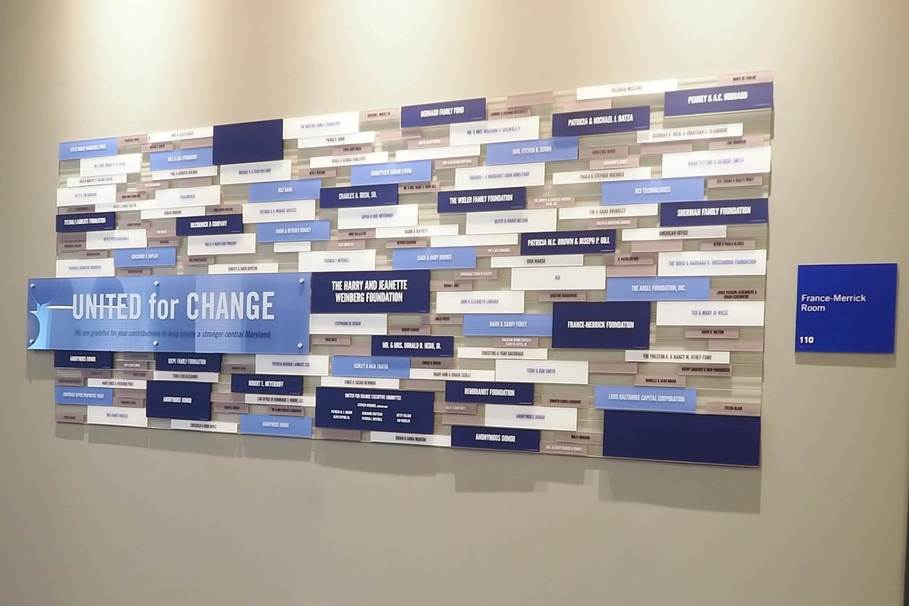
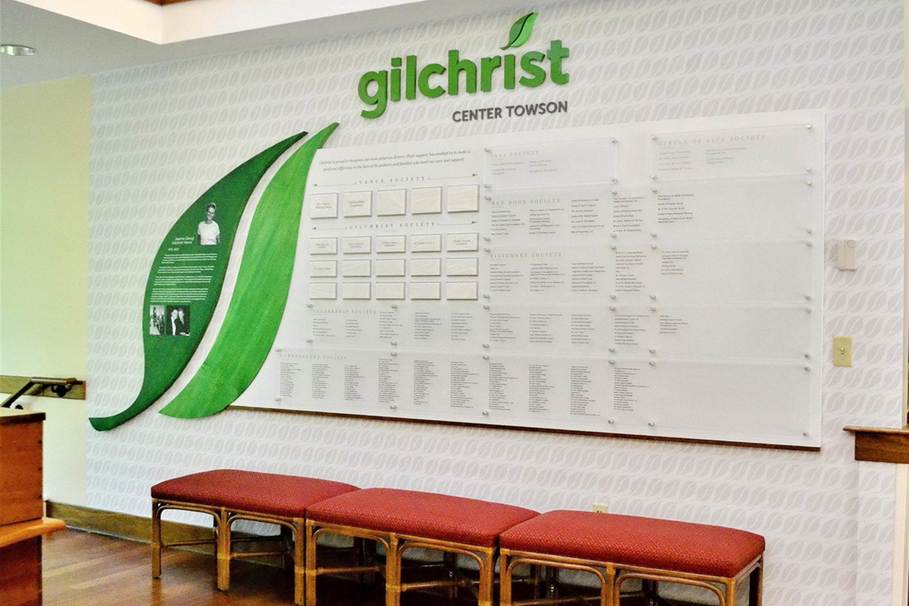
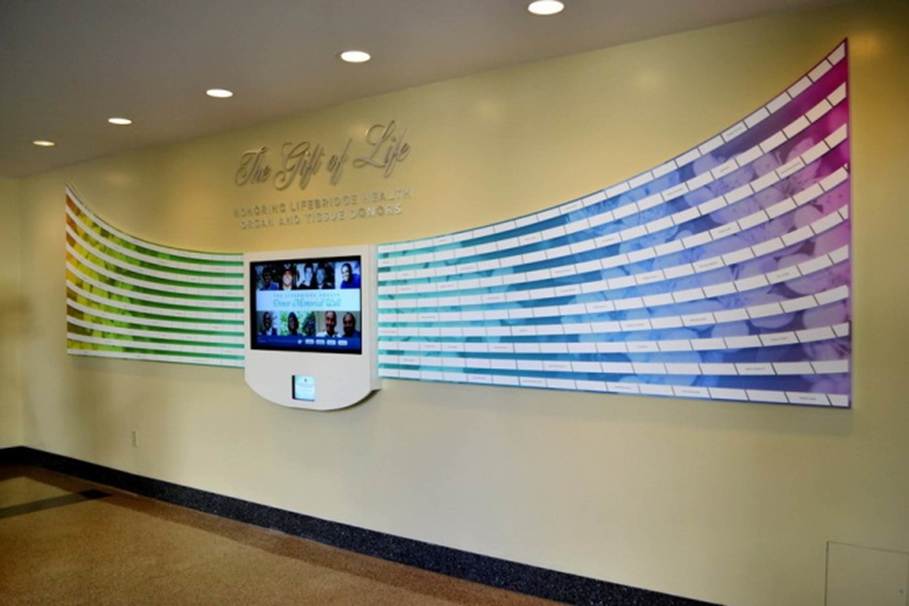
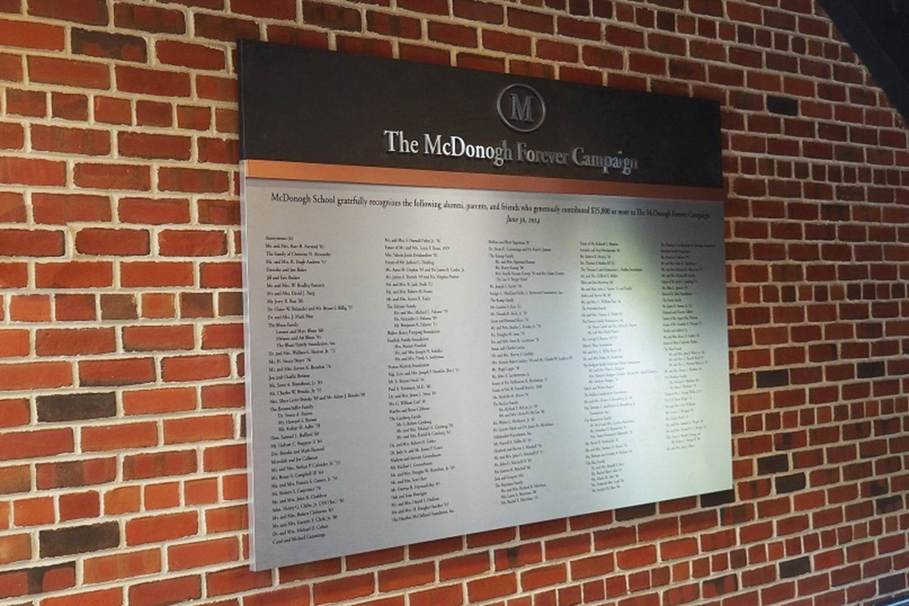
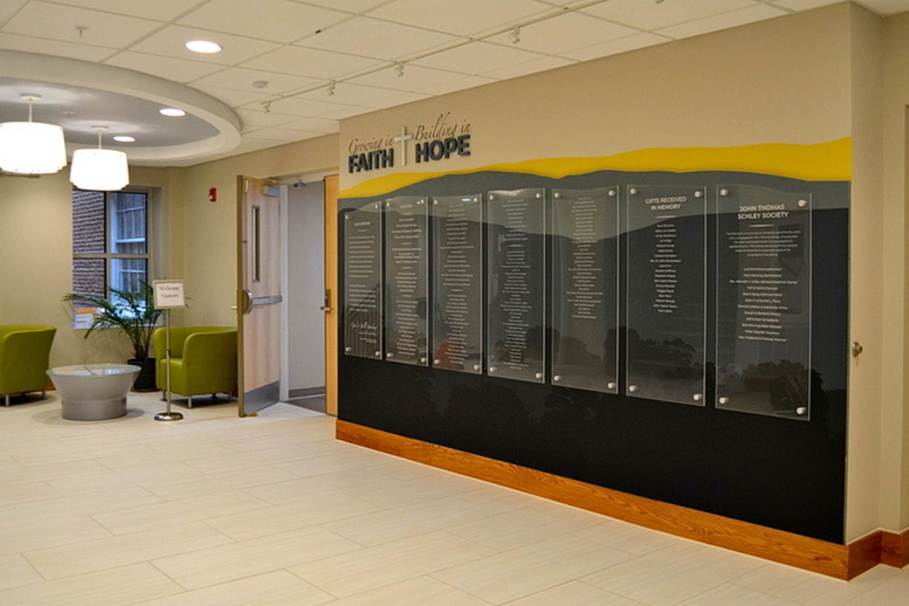
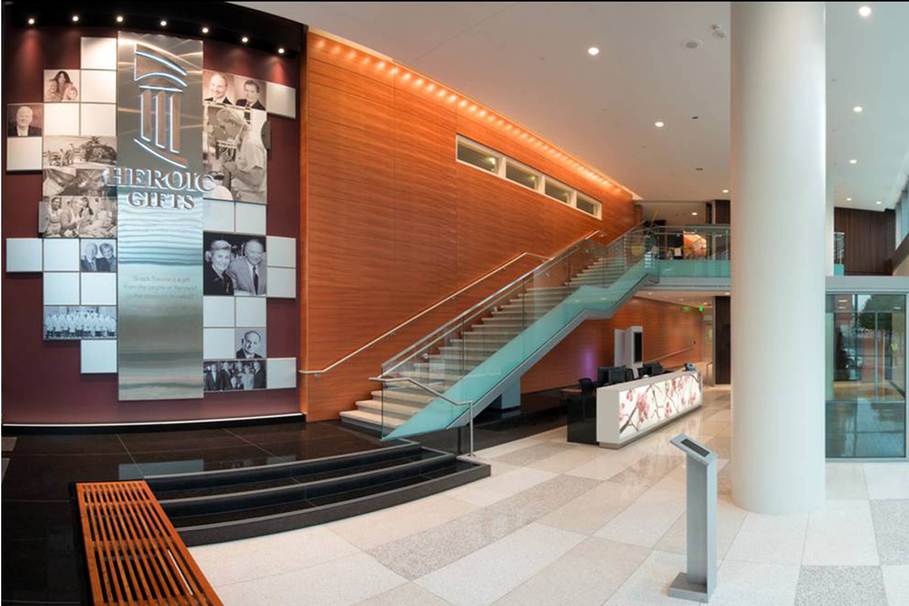
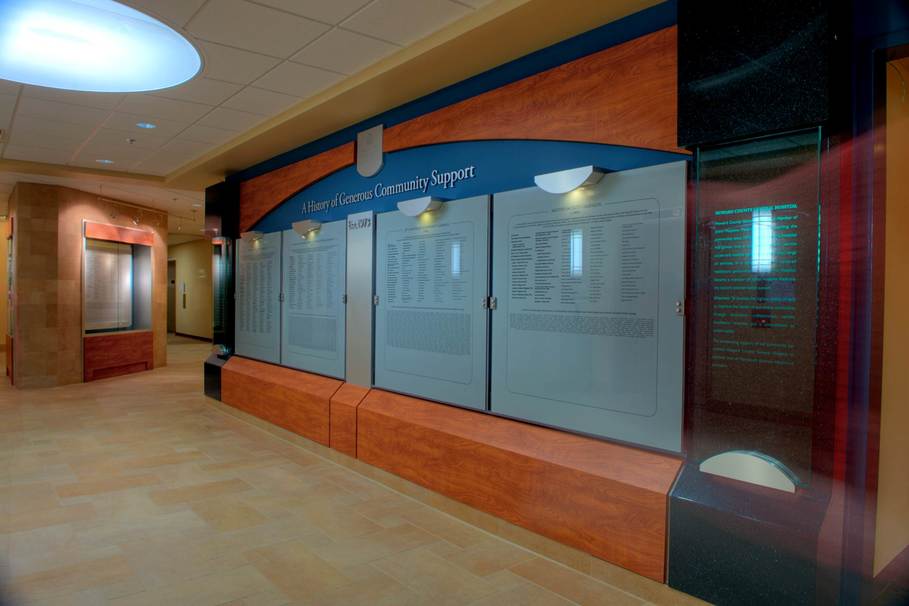
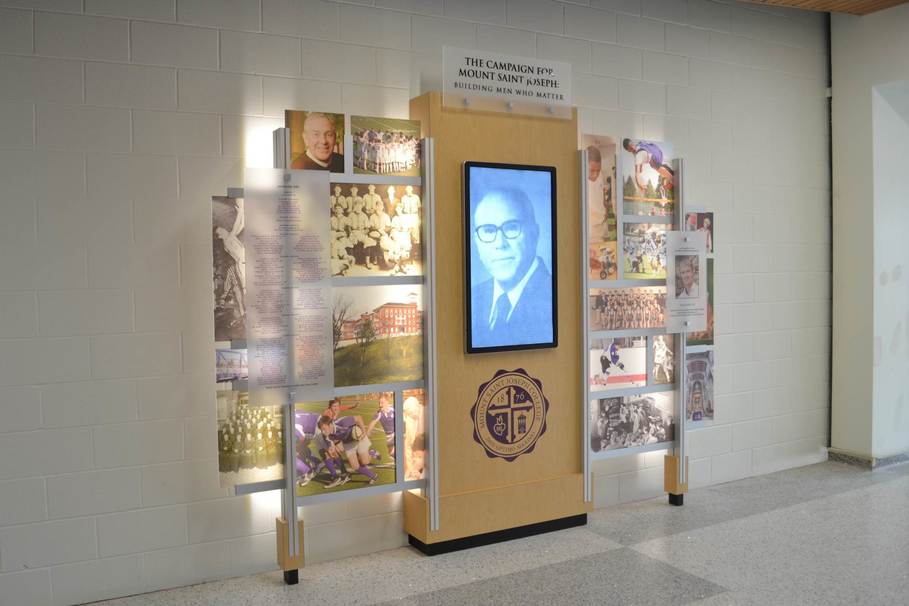
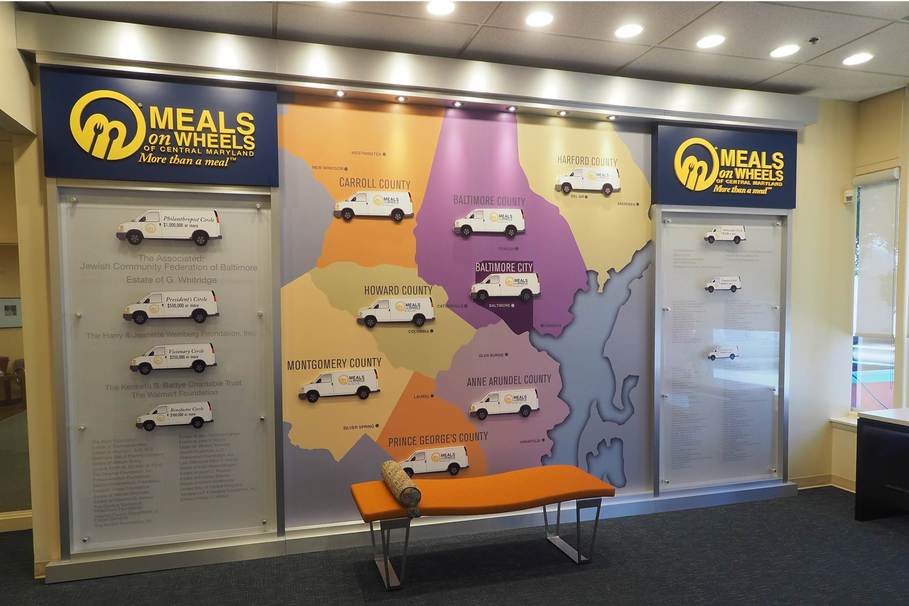
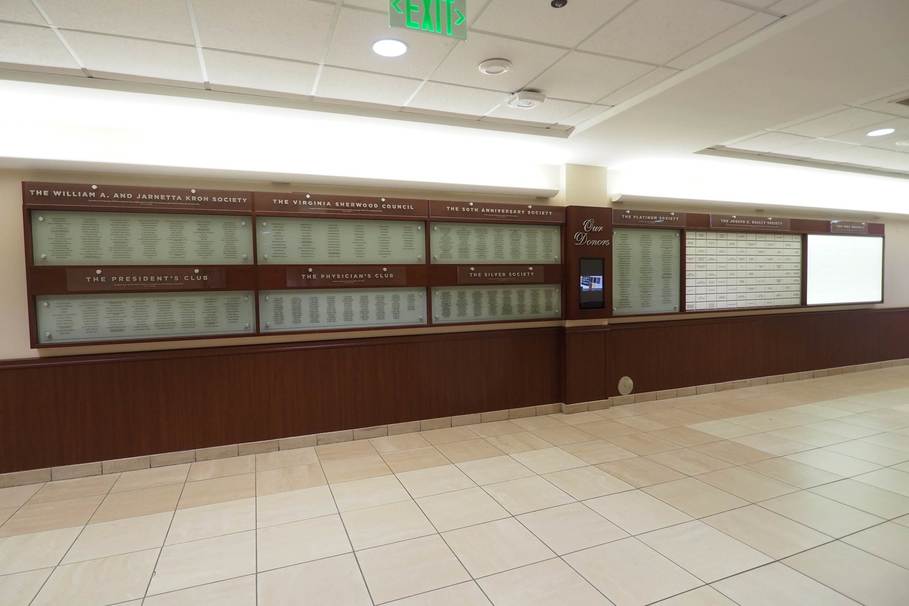
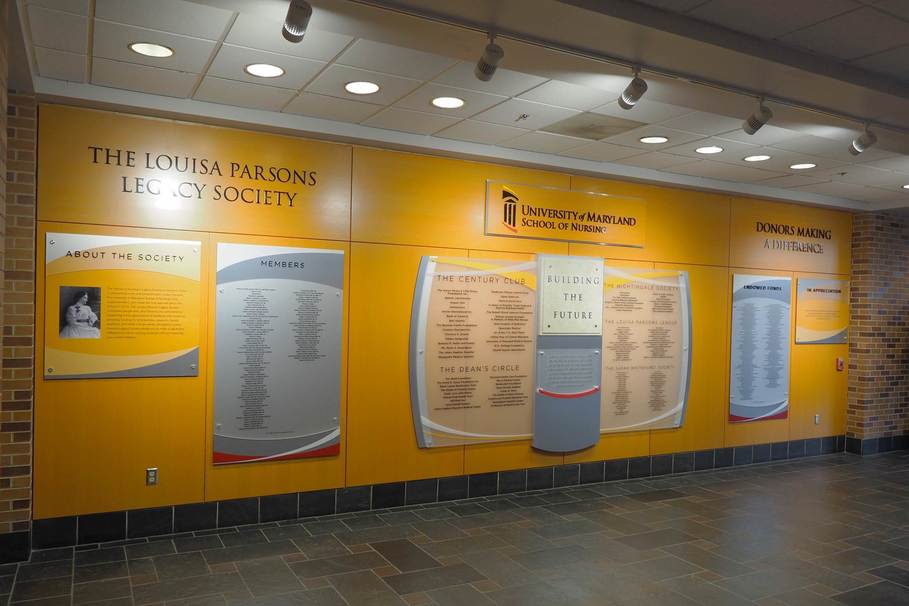
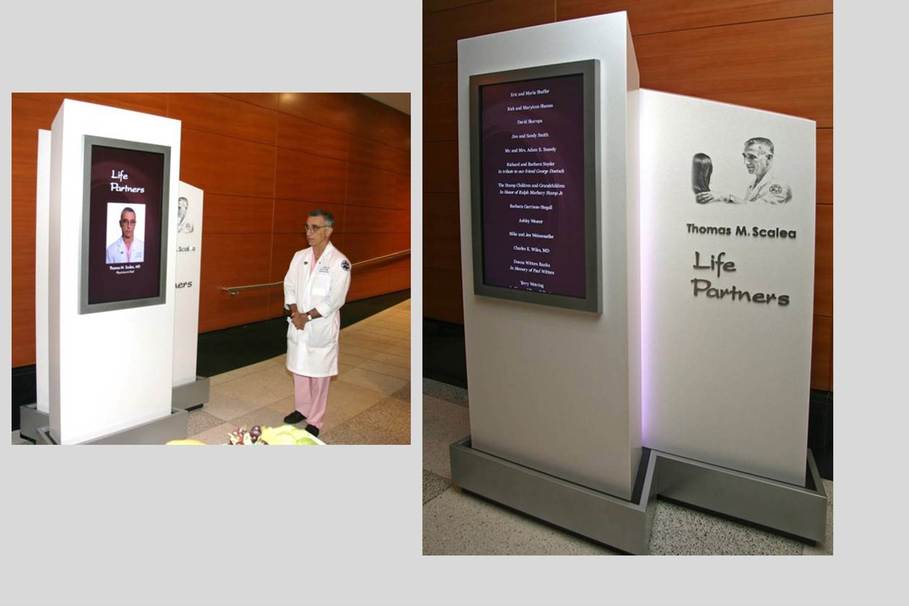
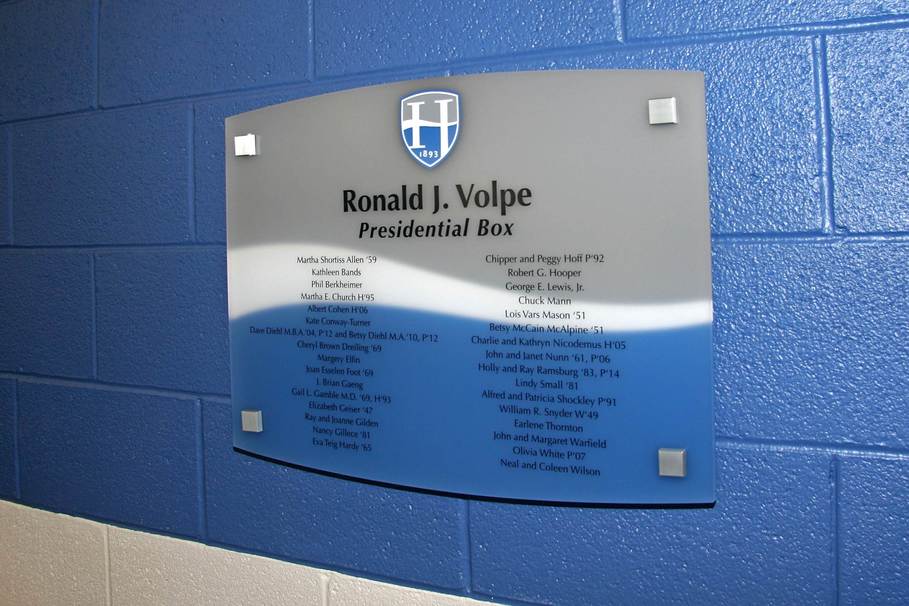
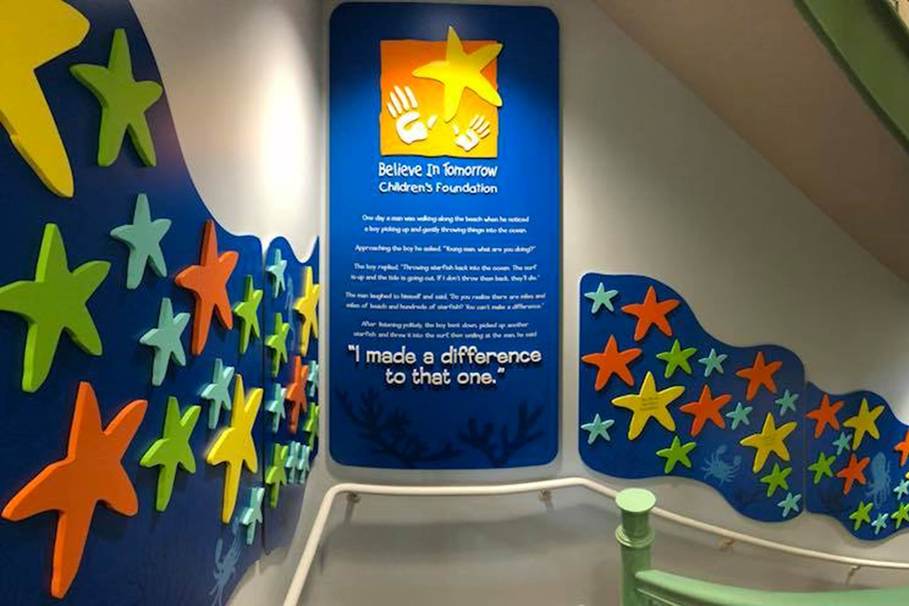
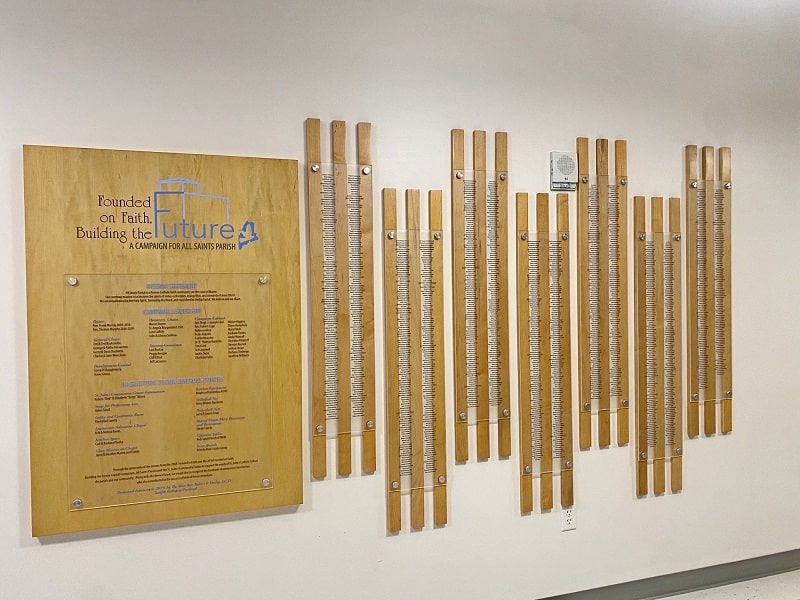
We build our donor recognition displays to be easily modified, and we help you create and organize donor names to make it as efficient as possible to update. Electronic Donor recognition displays can also tell stories of a specific project or cause, can have donors being interviewed and speaking about why they gave and can have electronic registration for others to join the cause; using touchscreens, videos, and other interactive features.
Donor Recognition Display Checklist
Check out this free resource to help make your donor recognition display project go smoothly!
Frequently Asked Questions About Donor Recognition Displays
Is there a planning tool to help get started with a donor recognition display?
Yes. We’ve created a practical Donor Recognition Display Checklist to help organizations think through key planning decisions—such as layout, content, materials, update frequency, and budget—before beginning a project.
How do donor recognition displays support long-term fundraising goals?
Thoughtful donor displays reinforce trust, visibility, and momentum around a mission. They show that giving matters and that supporters are valued.
Over time, this approach encourages continued support, inspires increased contributions, and strengthens overall engagement. When done well, it becomes part of the fundraising strategy, not just a finishing touch.
Why do donors tend to give more when recognition is visible?
People are influenced by what others support. Seeing names, levels, or shared contributions can create a sense of participation and motivation.
This often leads to donors striving for higher recognition levels, increased interest from new supporters, and a stronger sense of community.
Visibility reinforces value, turning recognition into a subtle but powerful motivator.
Where do recognition displays perform best within a space?
When it comes to donor displays, visibility and flow matter more than size. The most effective placements are those that feel integrated into the environment.
Good locations often include:
- Main entrances and lobbies
- Gathering or waiting areas
- Central corridors
- Along primary circulation paths
The right placement ensures recognition is experienced naturally and not overlooked.
How can recognition systems be designed for easy updates over time?
Flexibility is most effective when built in from the beginning. A well-planned system allows additions without disrupting the overall experience.
Common approaches include:
- Modular panels or nameplates
- Expandable layouts
- Digital or changeable elements
- Layered systems that allow sections to be updated independently
A flexible approach keeps recognition current while preserving a cohesive, intentional design.
What makes donor recognition displays feel personal?
Context brings recognition to life. When the impact behind each contribution is clear, it feels more meaningful.
Incorporating a short message or mission statement, adding visual elements tied to the cause, or organizing supporters by shared impact can all add depth without overwhelming the display.
These elements turn the experience into something people connect with and remember.
What should be expected when budgeting for a recognition display?
Costs vary based on materials, scale, and level of customization. A simple installation differs significantly from a large, multi-dimensional or digital feature.
Pricing is typically influenced by:
- Material selections and finishes
- Size and complexity
- Custom fabrication elements
- Interactive or digital components
- Installation requirements
Detailed priorities help shape a solution that fits both the space and the budget.
How long does the process take from concept to installation?
Timelines vary based on scope, but most donor display projects move from initial concept through installation over several weeks to a few months.
That timeline includes design development, refinement, fabrication, and final installation, with each phase building on the one before it to maintain consistency and quality. Larger or more customized features may require additional time to ensure precision and fit.
Starting early helps ensure alignment with key milestones and campaigns.
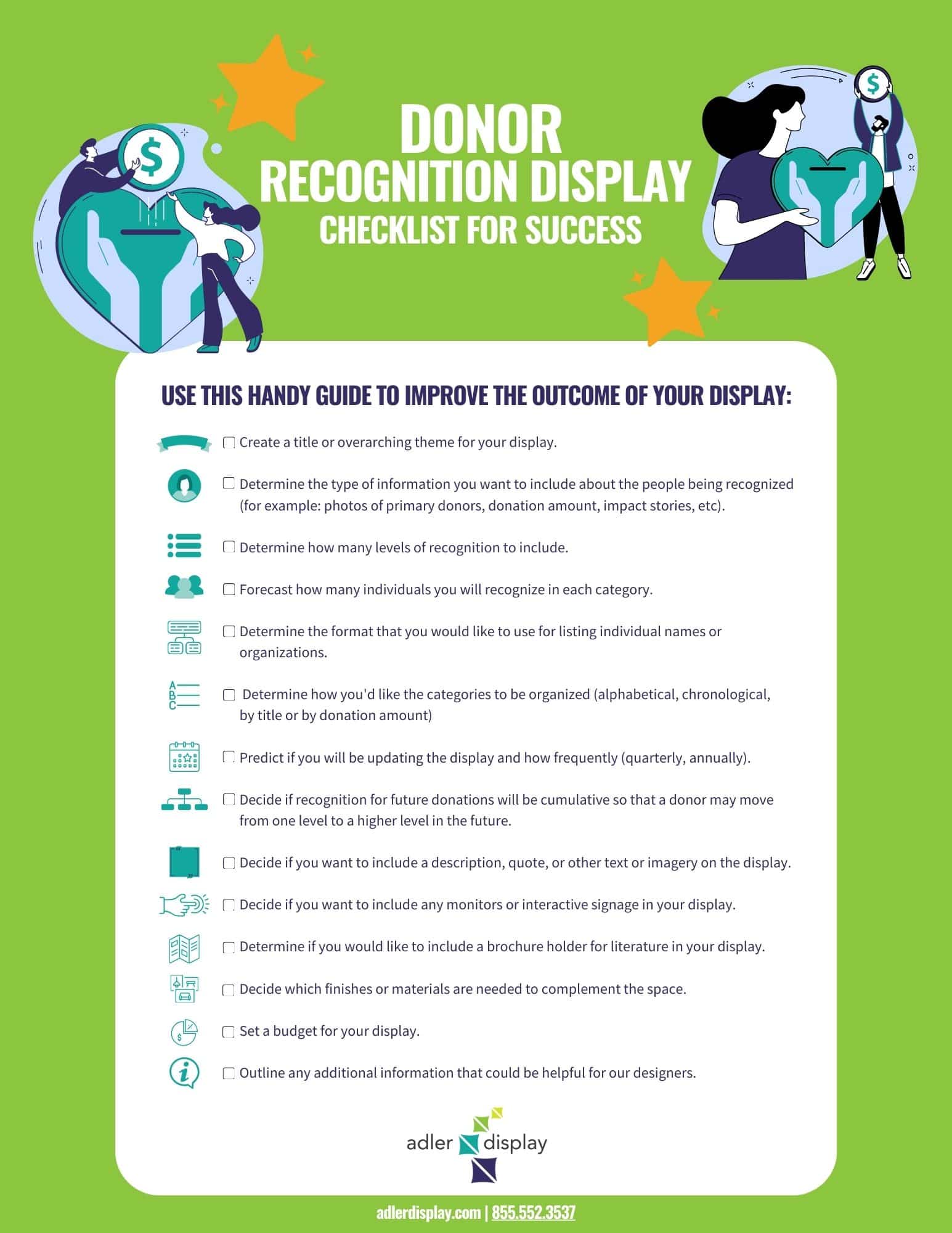
Donor Recognition Display Checklist Opt-In
Just enter your details in the form below and we'll send you this free Donor Recognition Display checklist.